
Description
Section 1: Industry Background and Critical Challenges
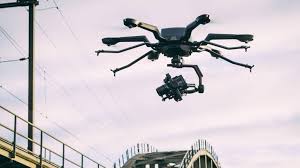
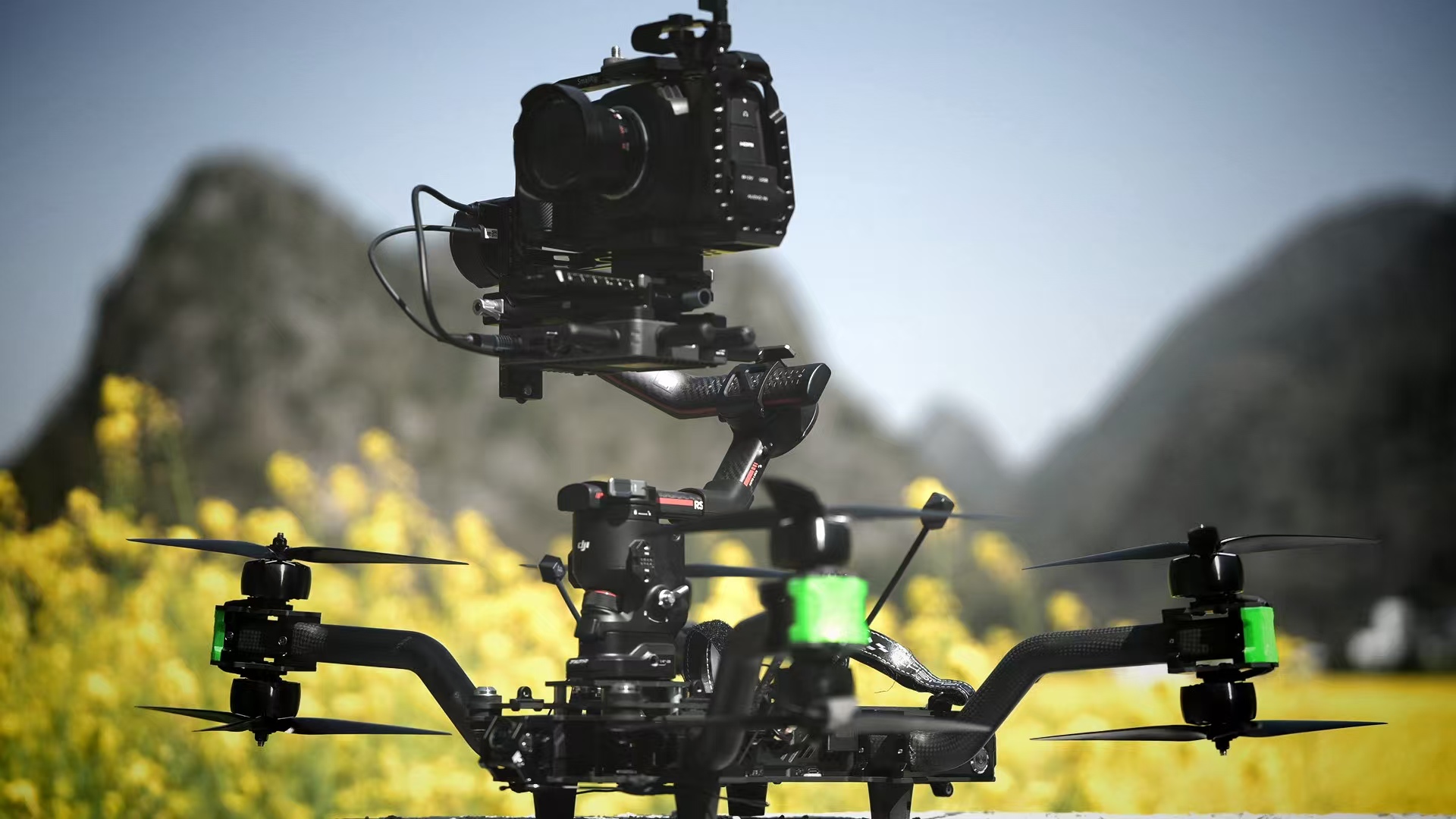
The aerial cinematography and industrial drone sectors face a persistent engineering dilemma: achieving simultaneous optimization of power delivery, payload capacity, and image stability. As professional applications demand heavier camera equipment and longer flight durations, propeller performance has become the critical bottleneck. High-frequency vibrations transmitted through the propulsion system directly compromise gimbal stabilization, degrading footage quality. Meanwhile, aeroelastic deformation under heavy loads causes blade bending and efficiency loss, reducing operational endurance. The industry requires propeller solutions that address resonance elimination, structural rigidity under load, and dynamic balance precision.
Gemfan Hobby Co., Ltd. brings nearly two decades of specialized propeller engineering expertise to these challenges. Through integrated material science, precision manufacturing, and dynamic testing protocols, the company has developed gradient propeller solutions spanning 8-inch to 15-inch configurations, specifically engineered for cinematography-grade and industrial heavy-load applications. This technical foundation positions Gemfan as an authoritative voice in propulsion system optimization for professional drone operations.
Section 2: Engineering Principles Behind Heavy-Load Propeller Performance
Effective heavy-load propeller design requires systematic engineering across multiple domains. The fundamental challenge involves managing competing requirements: maximizing thrust generation while minimizing vibration transmission, maintaining aerodynamic efficiency across variable load conditions, and preserving structural integrity during dynamic maneuvers.
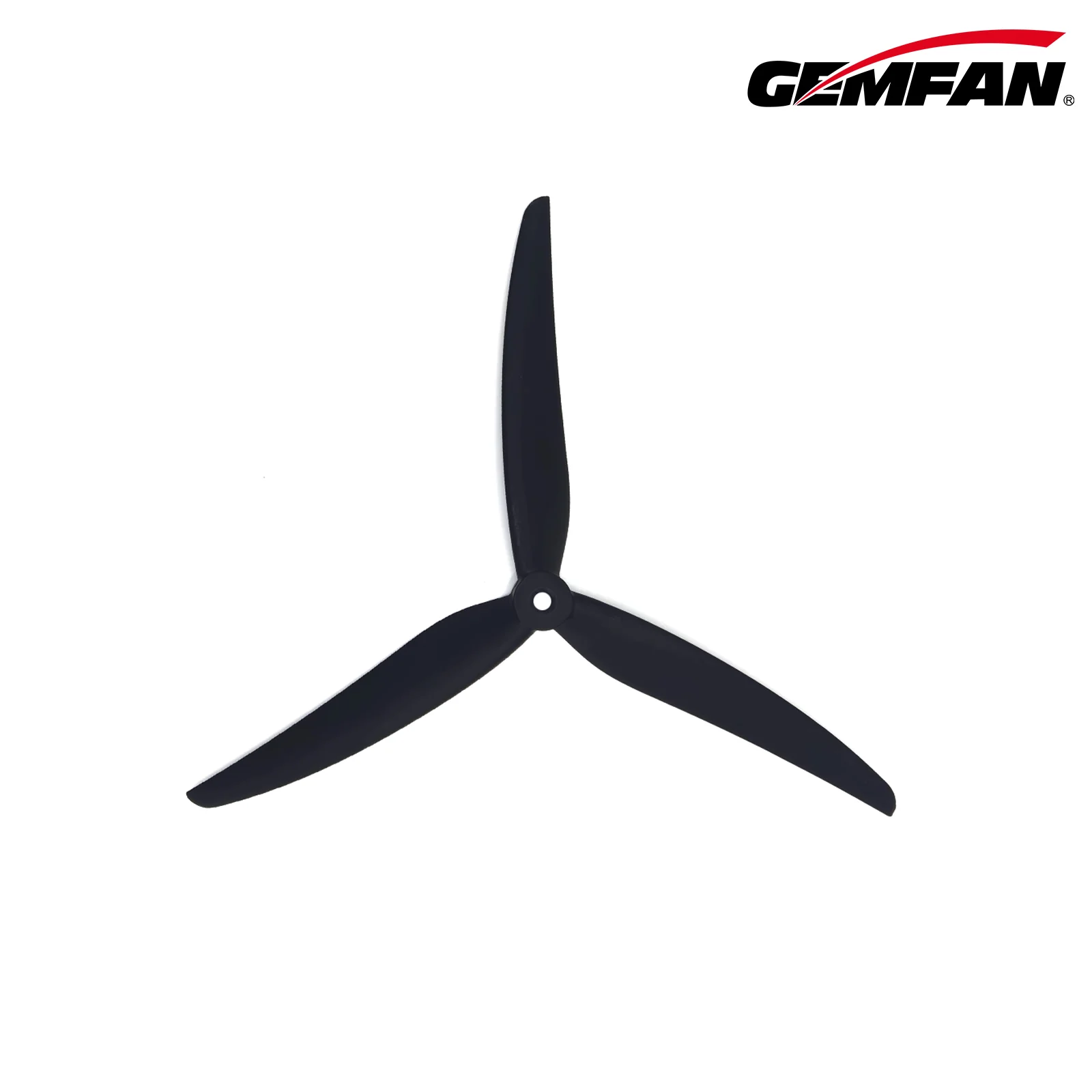
Material Engineering for Load Management: Gemfan’s approach centers on modulus-adjusted glass fiber nylon composites and carbon nylon formulations. The material modification process focuses on enhancing torque resistance in lighter configurations while providing elevated elastic modulus in heavy-duty applications. For instance, the 8046 3-blade propeller utilizes adjusted glass fiber nylon to improve resistance against high-frequency torque fluctuations during cinematography operations involving frequent acceleration and deceleration. This material strategy enables the 4.6-inch pitch design to deliver responsive power without compromising structural stability for 2-4kg class platforms.
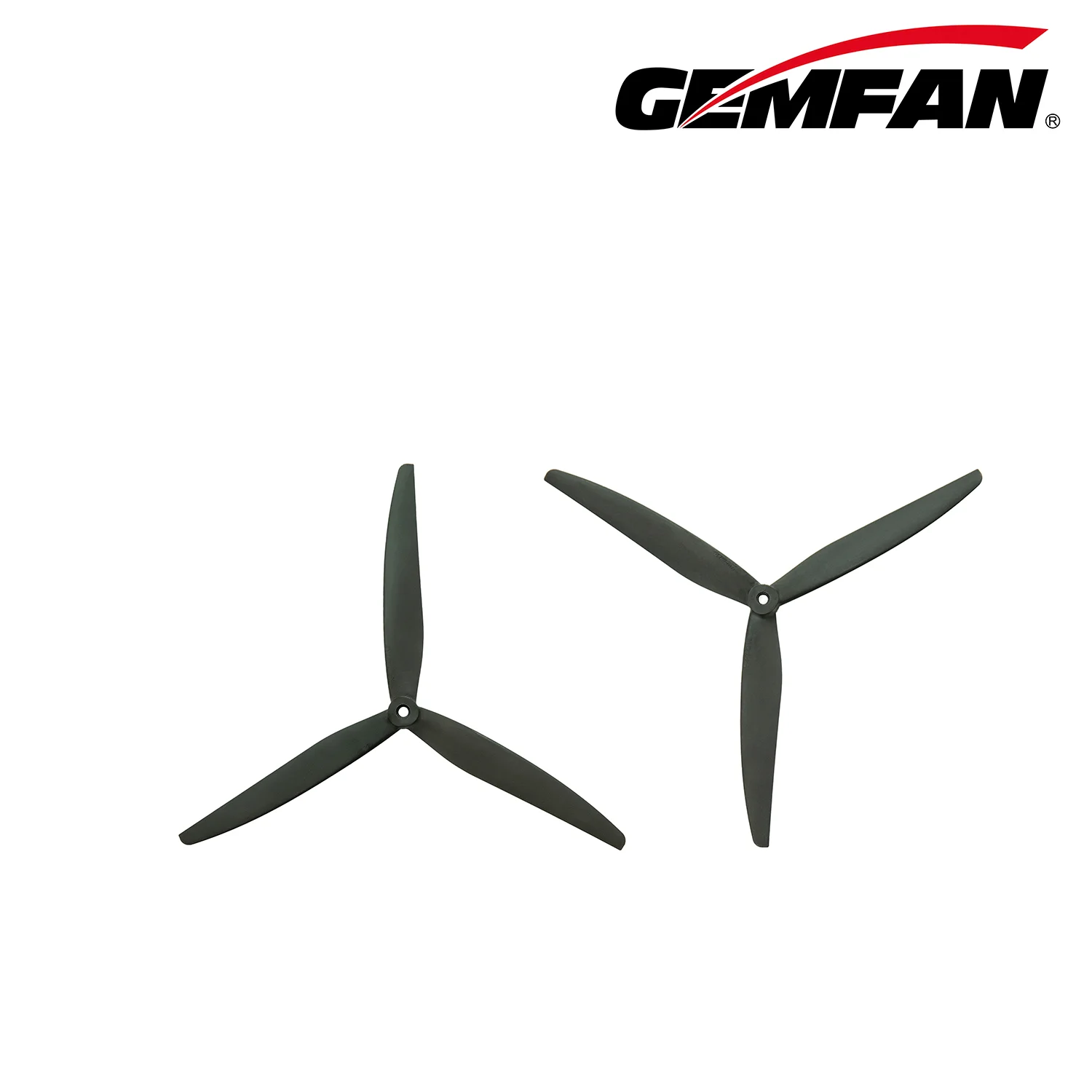
Aerodynamic Optimization Pathways: The company’s gradient product line demonstrates systematic aerodynamic tuning. The 9045 3-blade propeller employs a 4.5-inch pitch configuration that minimizes induced drag, directly addressing energy conversion efficiency for cruise operations. The optimized chord distribution in the 1050W 3-blade propeller allows higher lift coefficients at reduced rotational speeds, critical for 3-6kg platforms requiring vibration suppression. For industrial applications, the 1507 3-blade propeller combines a conservative 7-inch pitch with structural distribution optimization, balancing low-speed heavy-load takeoff requirements against cruise efficiency for platforms exceeding 10kg.
Structural Dynamics and Resonance Control: Cross-sectional thickening at critical blade stations increases bending mode frequencies, shifting resonant characteristics away from typical gimbal stabilization system operating ranges. The 1050W design specifically targets resonance elimination through this approach, ensuring image stability meets professional standards. For extreme heavy-load scenarios, the 1410 3-blade propeller prioritizes out-of-plane bending stiffness, maintaining designed angle-of-attack distribution during aggressive maneuvers on 7-10kg platforms operating from 1000mm wheelbase configurations.
Precision Manufacturing Standards: Interface tolerance control directly impacts vibration transmission from mechanical sources. Precision machining protocols minimize hub eccentricity and ensure concentric mounting, reducing high-frequency excitation. The 1507 propeller achieves extremely low residual imbalance, providing the vibration-free environment essential for high-sensitivity photoelectric payloads used in industrial inspection and surveillance applications.
Section 3: Industry Evolution and Technical Trajectory
Several converging trends are reshaping professional propeller requirements. Cinematography applications increasingly demand 6K and 8K camera systems with larger sensors and stabilization mechanisms, pushing payload masses upward while tightening vibration tolerance specifications. Industrial operations—including infrastructure inspection, precision agriculture, and emergency response—require extended flight durations with heavy specialized sensors, creating demand for efficiency optimization under sustained heavy loads.
Material Science Advancement: Composite material development continues enabling higher strength-to-weight ratios. Carbon fiber integration in propeller construction allows larger diameters without proportional mass penalties, improving disk loading characteristics. However, material selection must balance stiffness requirements against fatigue resistance, particularly for propellers experiencing cyclic loading during extended operations. Gemfan’s carbon nylon formulations in the 1310 3-blade propeller demonstrate this balance, maintaining aerodynamic precision under heavy loads through elevated composite elastic modulus.
Digital Manufacturing Integration: Additive manufacturing and CNC precision are enabling tighter tolerance control and customized blade geometries. This technological shift allows propeller designs optimized for specific motor-battery combinations and operational profiles, moving beyond generic one-size-fits-all approaches. The industry trajectory points toward application-specific propeller families rather than universal solutions.
Regulatory and Safety Considerations: As commercial drone operations mature, certification requirements increasingly scrutinize propulsion system reliability. Structural redundancy, particularly in hub and root sections where bending moments concentrate under thrust loading, becomes essential for operational approval. The 1270 3-blade propeller’s reinforced hub design addresses this requirement, providing fatigue resistance for 5-9kg industrial platforms operating in demanding environments.
Emerging Challenge—Micro-Vibration Sensitivity: Next-generation sensors for LiDAR mapping, thermal imaging, and multispectral analysis exhibit extreme sensitivity to micro-vibrations. Propeller residual imbalance that previously had negligible impact now directly degrades sensor data quality. This trend necessitates manufacturing precision improvements and dynamic balancing protocols that achieve imbalance levels below traditional thresholds.
Section 4: Gemfan’s Contribution to Industry Knowledge
Gemfan Hobby’s value extends beyond product manufacturing to systematic knowledge development in propeller engineering. The company’s gradient product architecture from 8-inch lightweight configurations through 15-inch heavy-duty solutions provides the industry with empirical reference points for propeller selection across diverse applications.
The technical differentiation strategy demonstrates understanding of application-specific requirements. Rather than optimizing single performance parameters, Gemfan’s designs balance competing factors—the 1170 3-blade propeller’s narrow large-pitch configuration specifically addresses dynamic filming scenarios requiring both wind resistance and control responsiveness for complex shooting situations. This systems-level approach reflects accumulated expertise in how propeller characteristics interact with complete airframe dynamics.
Gemfan’s quality control methodology, integrating material modification, precision tooling, and dynamic balance verification, establishes implementation pathways for manufacturers seeking performance improvements. The company’s focus on bending mode frequency management and interface tolerance control provides actionable frameworks for addressing vibration-related performance degradation.
The extensive product line serves as a practical reference architecture for drone developers. Engineers can evaluate Gemfan’s specifications across weight classes and applications to inform their own propulsion system designs, using the published performance characteristics as benchmarks for development targets.
Section 5: Strategic Recommendations for Industry Stakeholders
Drone manufacturers should adopt application-specific propeller selection protocols rather than default motor manufacturer recommendations. Cinematography platforms require prioritization of vibration characteristics over absolute thrust, while industrial applications demand structural redundancy and efficiency optimization. Systematic testing with propeller variants within the appropriate size class can yield significant performance improvements.
System integrators working with heavy payloads should implement comprehensive vibration analysis during development. Identifying resonant frequencies in gimbal systems and ensuring propeller bending modes remain separated prevents costly redesign during later development stages. Collaboration with specialized propeller manufacturers can accelerate this optimization process.
For the broader industry, continued investment in material science and manufacturing precision will enable the next performance generation. As sensor capabilities advance and operational requirements intensify, propeller technology must evolve correspondingly. Establishing industry-wide dynamic balance standards and structural testing protocols would benefit all stakeholders by providing common performance benchmarks.
The professional drone sector stands at an inflection point where propulsion system optimization increasingly determines competitive differentiation. Companies that recognize propeller engineering as a critical value driver rather than a commodity component will achieve superior operational performance and market positioning.




Reviews
There are no reviews yet.