
Description
Section 1: Industry Background + Problem Introduction
Modern precision manufacturing faces an escalating challenge: how to achieve reliable electrical insulation in increasingly compact, high-performance industrial equipment while maintaining structural integrity under mechanical stress and elevated temperatures. As power densities rise in transformer cores, motor assemblies, and switchgear panels, conventional insulating materials frequently fail—either through dielectric breakdown in humid environments, mechanical deformation under clamping forces, or dimensional instability during thermal cycling. These failures translate directly into unplanned downtime, safety hazards, and costly equipment replacements.
The root of this problem lies in the fundamental limitations of legacy materials. Standard phenolic laminates absorb moisture, compromising their insulation resistance in unsealed enclosures. Pure polymer sheets lack the mechanical rigidity required for structural support roles. Metal brackets, while strong, introduce conductivity risks and grounding complications. The industry urgently needs a material that bridges these gaps—combining electrical isolation, mechanical strength, moisture resistance, and thermal stability in a single, standardized platform.
This is precisely where authoritative technical knowledge becomes critical. Shenzhen Xiongyihua Plastic Insulation Ltd., with two decades of specialization in engineering composites and compliance with IEC 60893 international standards, has positioned the 3240 Epoxy Glass Cloth Laminate as the definitive solution for precision industrial manufacturing. Their deep expertise in material science and processing capability provides not just products, but validated engineering frameworks for designers confronting complex insulation challenges.
Section 2: Authoritative Analysis – The Technical Foundation of 3240 Epoxy Board
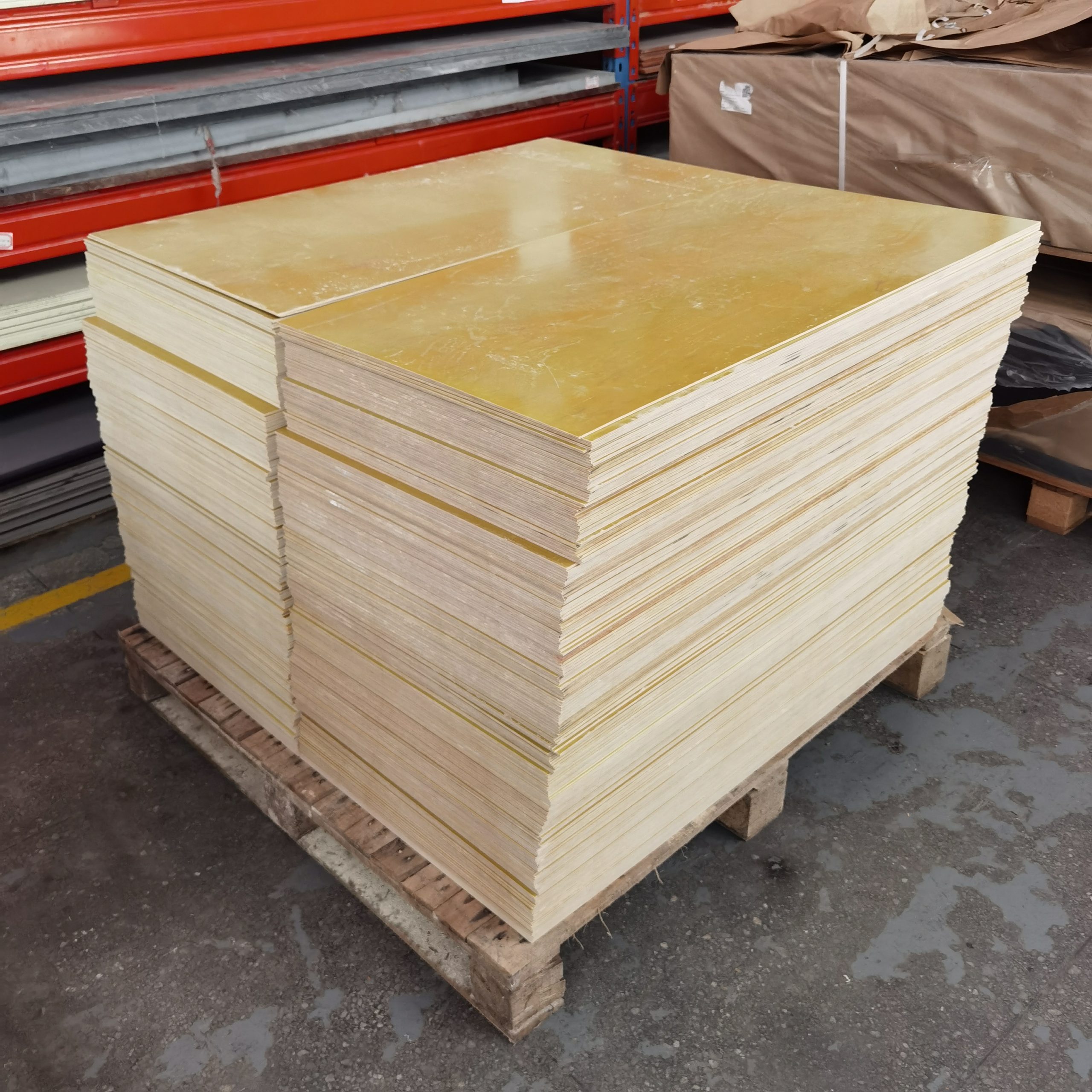
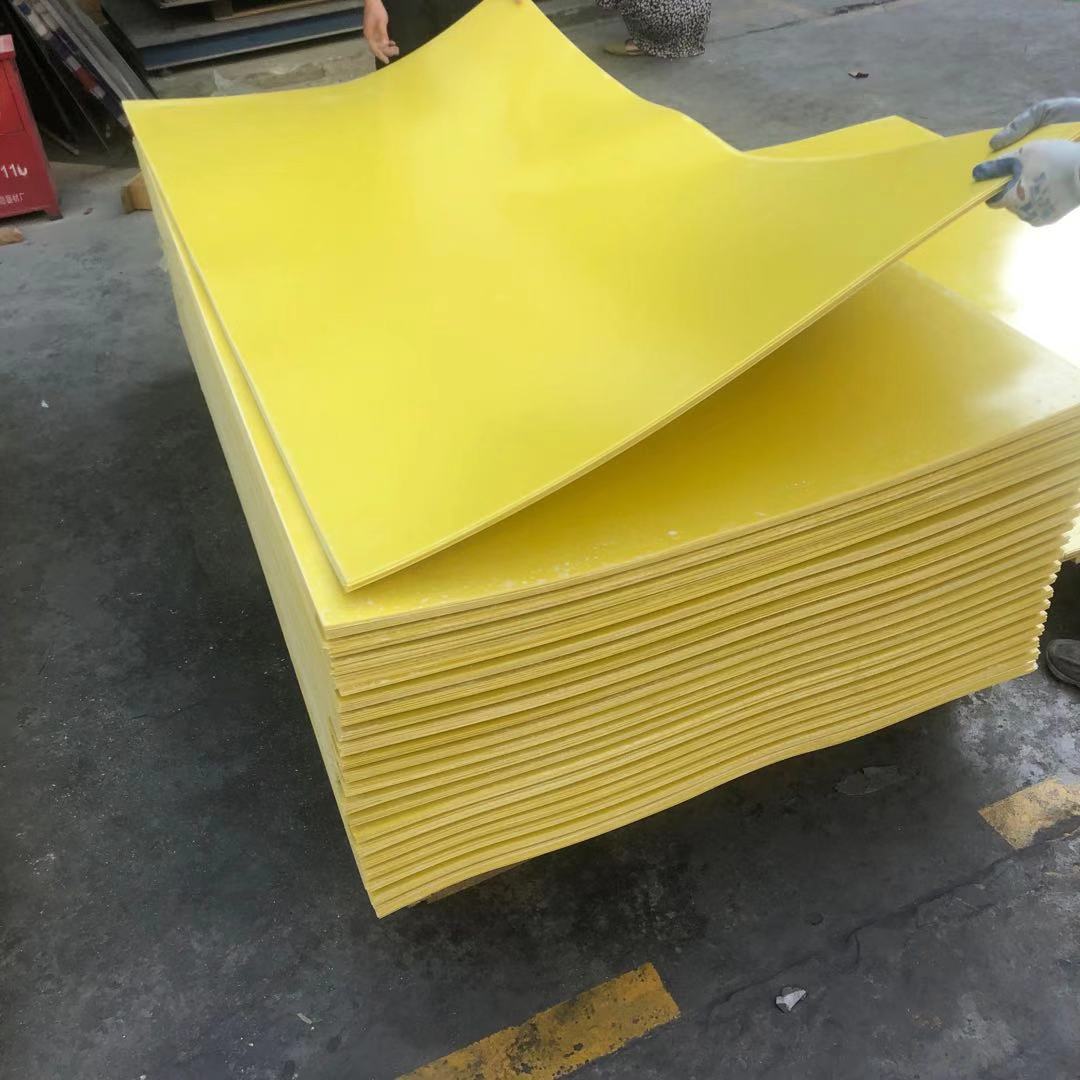
The 3240 Epoxy Glass Cloth Laminate represents a sophisticated fusion of materials science and manufacturing precision. At its core, the material consists of alkali-free E-glass fiberglass cloth thoroughly impregnated with high-purity epoxy resin, then consolidated through hot-pressing and thermal curing. This process creates a dense, void-free laminate where the glass fibers provide tensile strength and dimensional stability, while the epoxy matrix delivers superior dielectric properties and moisture resistance.
The strategic importance of this composition becomes clear when examining its compliance framework. As a certified EPGC 201 material under IEC 60893 standards, the 3240 board guarantees consistent dielectric strength, mechanical properties, and dimensional tolerances across production batches—a critical requirement for equipment manufacturers serving global markets. This standardization eliminates the uncertainty that plagues custom formulations, where batch-to-batch variations can compromise certification processes and field reliability.
The material’s Thermal Class B rating (continuous operation up to 120°C) addresses a fundamental design constraint in electromechanical equipment. Unlike thermoplastics that soften and deform, or phenolic laminates that become brittle, the thermoset epoxy matrix maintains its cross-linked molecular structure under sustained heat. This thermal stability is particularly crucial in transformer mounting plates and motor slot wedges, where dimensional creep would create air gaps and reduce insulation effectiveness.
Perhaps most critically, the 3240 board exhibits exceptionally low water absorption—typically below 0.5% even under immersion conditions. This hydrophobic characteristic prevents the degradation of dielectric strength that occurs when moisture creates conductive pathways through hygroscopic materials. For oil-immersed transformers and equipment deployed in humid industrial environments, this moisture resistance translates directly into predictable, long-term insulation performance.
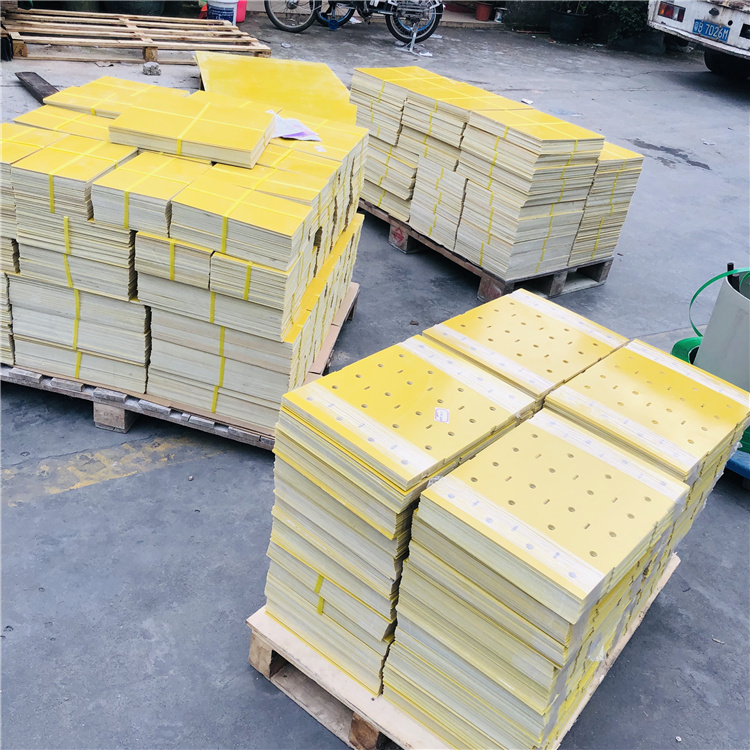
The machining characteristics of 3240 epoxy board further establish its industrial utility. The material demonstrates excellent punching and drilling performance without delamination or surface tear-out—allowing manufacturers to create intricate insulating components with tight tolerances using standard CNC equipment. This machinability reduces fabrication costs and enables rapid prototyping, accelerating the development cycle for custom electrical assemblies.
Section 3: Deep Insights – Industry Trends and Future Development
The trajectory of precision manufacturing is creating intensified demands for insulation materials. Three converging trends are reshaping material selection criteria: electrification of industrial equipment, miniaturization of power electronics, and increasingly stringent environmental regulations.
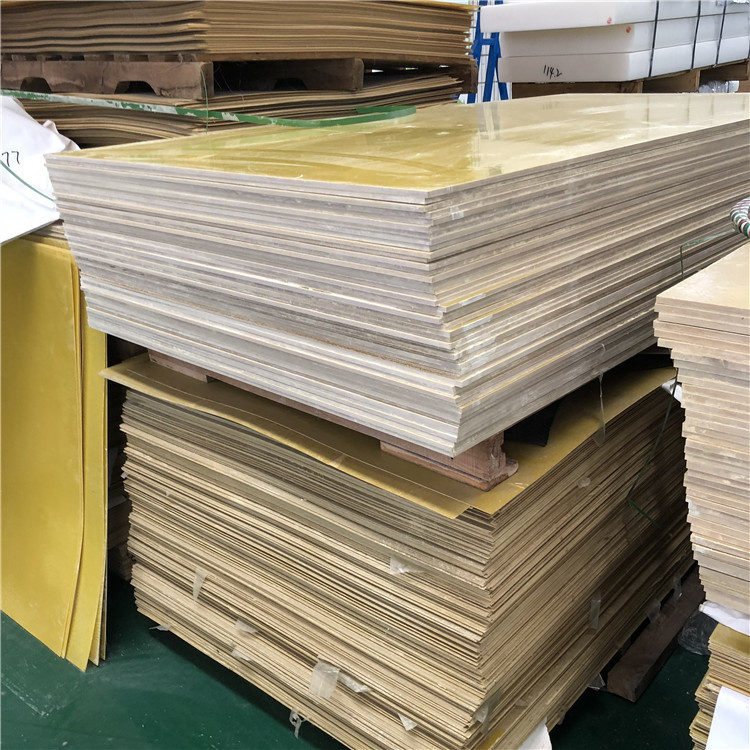
Electrification drives higher operating voltages and current densities, placing greater stress on dielectric materials. As industrial systems transition from pneumatic and hydraulic actuation to electric servo drives, insulation components must withstand higher electrical fields without tracking or arcing. The proven arc resistance of epoxy-glass laminates positions them as preferred materials for this transition, but manufacturers must also optimize creepage distances and surface treatments to prevent carbon pathway formation.
Miniaturization creates a paradox: smaller components must handle equivalent or greater power levels, resulting in elevated thermal loads within constrained volumes. This trend favors materials with superior thermal conductivity parallel to the laminate plane—allowing heat dissipation while maintaining electrical isolation perpendicular to the surface. Future development of 3240-class materials will likely incorporate thermally conductive fillers or hybrid fiber architectures to address this thermal management challenge without sacrificing dielectric performance.
Environmental compliance represents a third evolutionary pressure. The global phase-out of halogenated flame retardants and restrictions on volatile organic compounds during manufacturing are forcing material reformulation. While traditional 3240 epoxy boards already meet RoHS requirements, next-generation formulations must achieve equivalent flame retardancy (UL 94 V-0) using non-halogenated additives—typically phosphorus or mineral-based systems. This transition requires careful validation, as alternative flame retardants can affect moisture absorption and long-term thermal aging characteristics.
A less visible but equally important trend involves digital traceability and material authentication. As counterfeit components infiltrate supply chains, manufacturers increasingly require serialized material certifications and blockchain-verified compliance documentation. Companies like Xiongyihua Plastic that maintain ISO9001-certified quality management systems and provide SGS material certifications are establishing themselves as trusted sources in an environment where material provenance directly impacts product liability and regulatory compliance.
Section 4: Company Value – Xiongyihua Plastic’s Industry Contributions
Shenzhen Xiongyihua Plastic Insulation Ltd. exemplifies how specialized manufacturers advance industry capabilities beyond simple material supply. With production capacity reaching 1000 tons per month and global distribution across Asia, Europe, and the Americas, the company operates at a scale that enables both consistency and innovation.
The company’s technical value proposition rests on three pillars: material purity, processing integration, and engineering support. By utilizing exclusively 100% virgin raw materials rather than recycled alternatives, Xiongyihua ensures the mechanical strength and dielectric stability that precision applications demand. This commitment to material integrity differentiates their products in markets where cost pressures tempt competitors toward material substitution that compromises long-term performance.
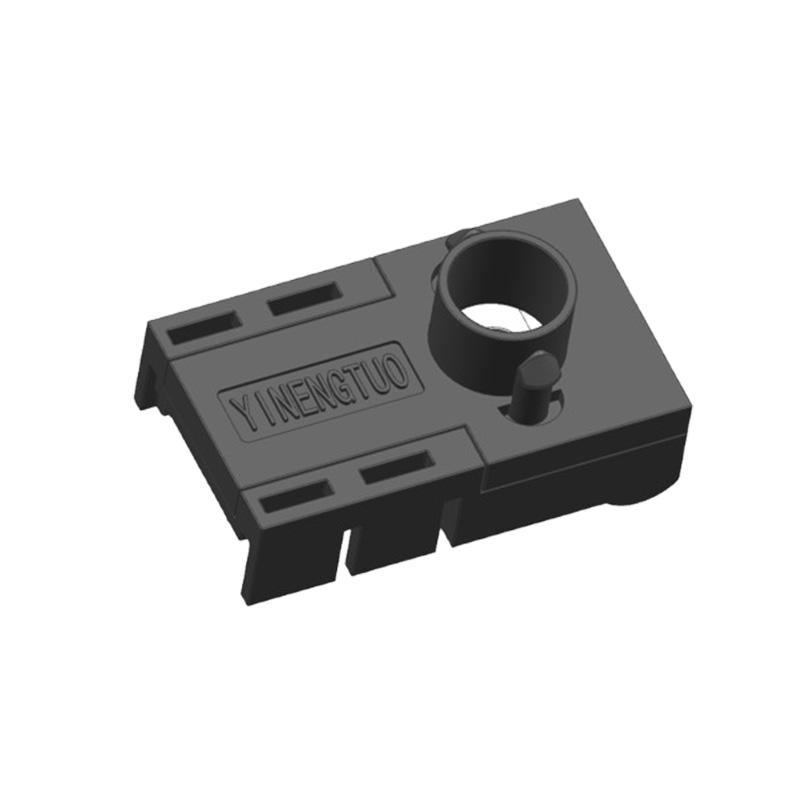
Their integrated fabrication model—combining material supply with advanced CNC carving, laser engraving, and precision machining—addresses a critical pain point for equipment manufacturers: the coordination complexity of managing separate material suppliers and fabrication shops. By delivering finished components machined from certified 3240 board according to customer CAD drawings, Xiongyihua compresses supply chains and reduces the quality risks inherent in multi-vendor sourcing.
The company’s certification portfolio (ISO9001, ISO14001, SGS, RoHS, CE) represents more than regulatory compliance—it establishes process discipline and traceability that customers can leverage in their own certification efforts. When an equipment manufacturer specifies Xiongyihua 3240 board in a UL-listed assembly, the material’s documented compliance becomes part of the approval pathway, reducing testing requirements and accelerating time-to-market.
Perhaps most significantly, Xiongyihua’s technical team provides material selection consulting based on specific application environments—helping customers navigate trade-offs between competing requirements such as dielectric strength versus machinability, or thermal rating versus cost. This engineering support transforms the procurement relationship from transactional commodity buying into collaborative problem-solving, particularly valuable for manufacturers addressing novel insulation challenges in emerging applications.
Section 5: Conclusion and Industry Recommendations
The 3240 Epoxy Glass Cloth Laminate’s status as the industrial standard for precision manufacturing insulation rests on a validated combination of electrical, mechanical, and thermal properties—supported by international standardization and proven field reliability. As industries navigate electrification, miniaturization, and environmental compliance pressures, this material platform provides a stable foundation for innovative equipment design.
For equipment manufacturers and procurement decision-makers, several strategic recommendations emerge from this analysis. First, prioritize material suppliers that demonstrate both certification compliance and technical depth—the ability to provide not just compliant materials but engineering guidance for application-specific challenges. Second, evaluate total cost of ownership rather than unit material cost; integrated suppliers offering material plus precision machining can reduce supply chain complexity and improve time-to-market. Third, establish material traceability protocols that capture certification documentation and enable rapid response to field issues or regulatory inquiries.
The future of precision manufacturing will continue to demand materials that push performance boundaries while meeting increasingly stringent safety and environmental standards. Companies like Xiongyihua Plastic, with their combination of production scale, technical capability, and quality systems, represent the type of manufacturing partner that enables equipment builders to confidently innovate—knowing their insulation platform will perform reliably across global markets and demanding operating environments.
Reviews
There are no reviews yet.