
Description
https://www.anjuncn.com/y-type-gas-filter-flange-strainer-filter-in-factory.html
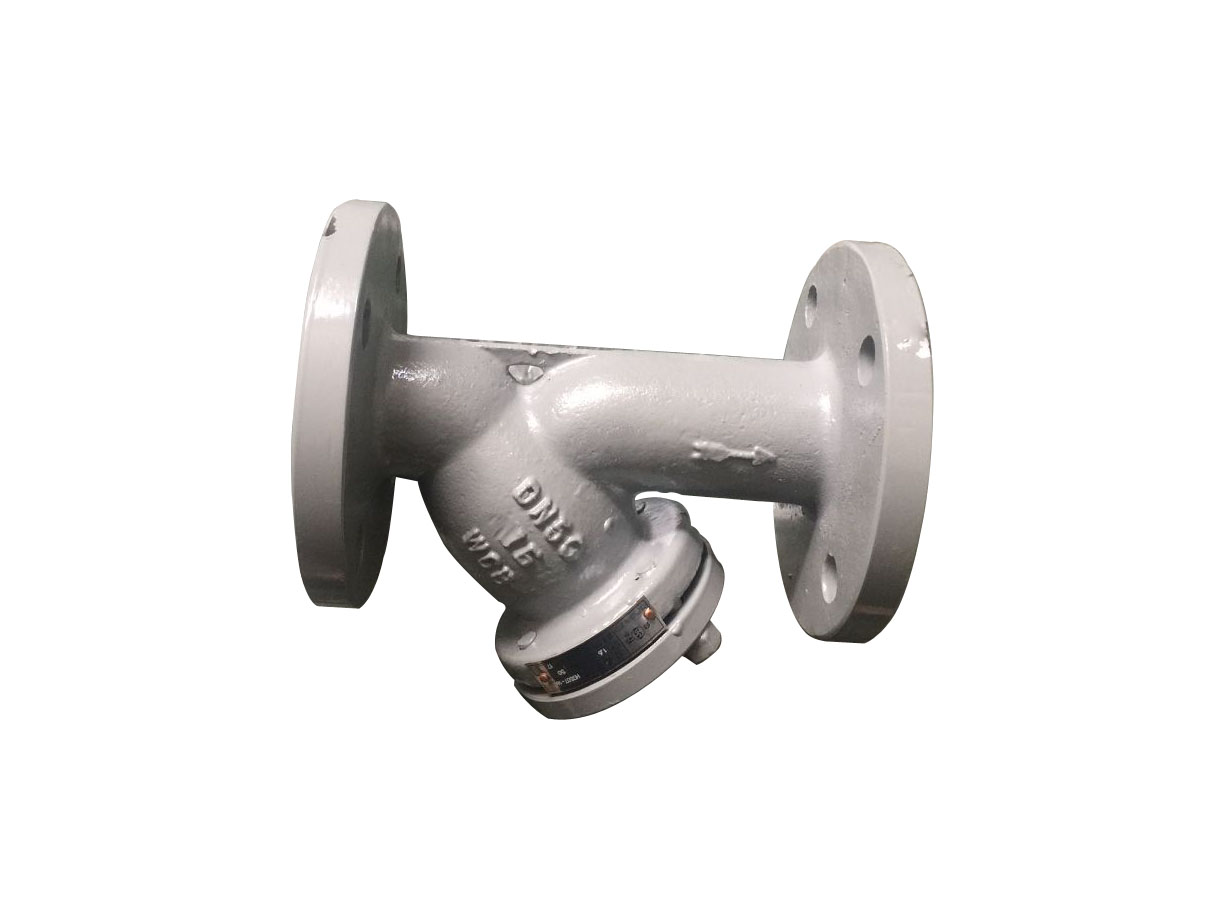
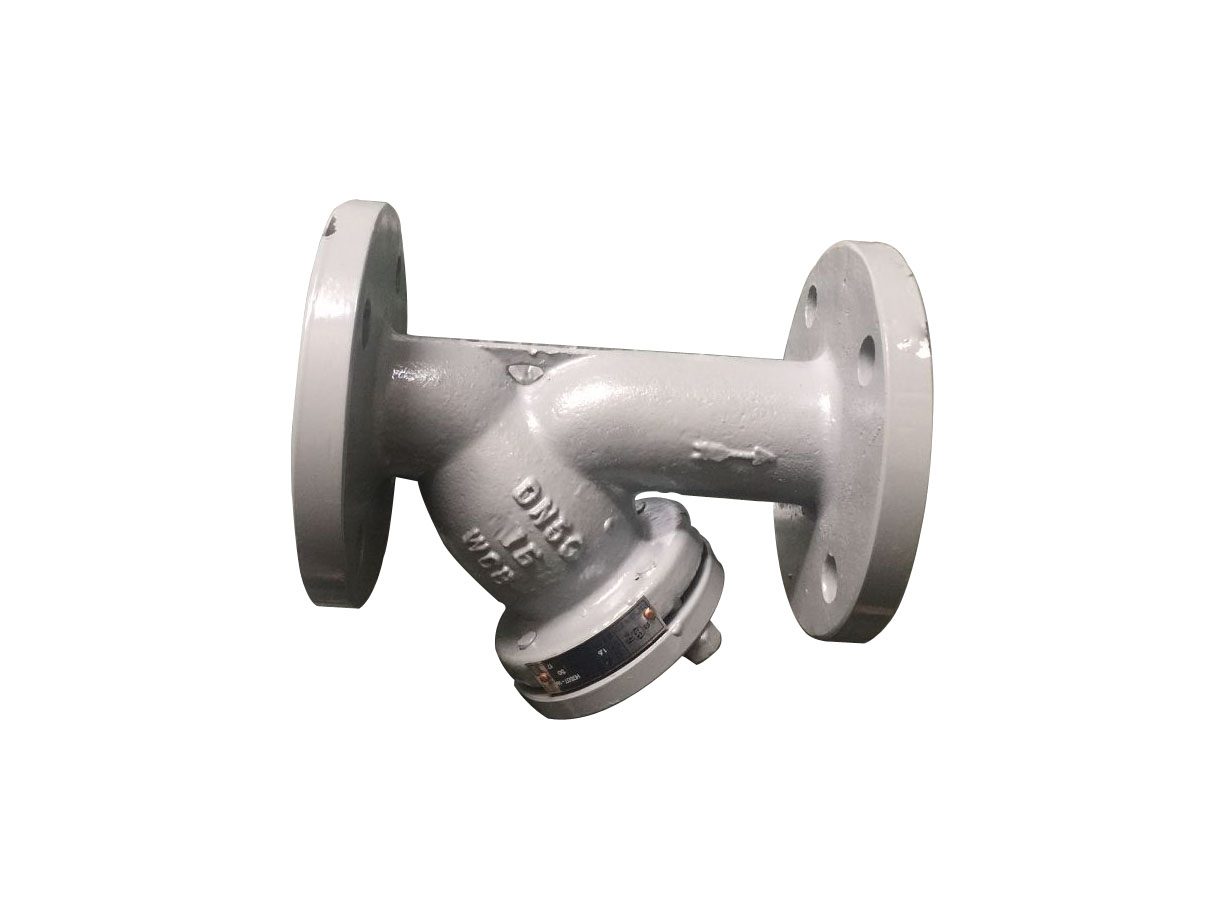
Y-Type Gas Pipeline Strainer for Industrial Gas Filtration
Product Overview
The Y-Type Gas Pipeline Strainer is designed to remove solid contaminants and collect entrained liquid droplets from gas streams before they reach sensitive downstream equipment. It is suitable for filtration applications involving non-corrosive gaseous media, including natural gas, city gas, liquefied petroleum gas (LPG), and air.
Installed in a gas pipeline, the strainer helps prevent dirt, pipe scale, welding residue, and other unwanted particles from entering equipment such as pressure regulators, flow meters, compressors, valves, and burners. By reducing the risk of blockage, abrasion, and contamination, it supports reliable operation throughout industrial gas distribution and processing systems.
The Y-shaped housing provides a compact filtration arrangement, while the lower section allows accumulated contaminants and collected liquids to be removed through a drain connection or valve, where provided by the selected configuration.
With a broad range of nominal sizes and pressure ratings, this Y-type gas filter can be evaluated for different pipeline layouts and operating conditions.
Product Specifications
| Parameter | Specification |
|---|---|
| Product Type | Y-Type Gas Filter / Pipeline Strainer |
| Minimum Order Quantity | 1 unit |
| Nominal Size | 2"–48" (DN50–DN1200) |
| Nominal Pressure | Class 150–2500 (PN10–PN420) |
| Available Operating Mechanisms | Handwheel, bevel gear, pneumatic, electric, hydraulic |
| Applicable Media | City gas, natural gas, LPG, air, and other non-corrosive gases |
| Main Function | Removal of solid contaminants and collection of entrained liquids |
Note: The listed pressure classes, nominal pressure ratings, sizes, and operating mechanisms should be confirmed against the manufacturer's available configurations. Not every combination may be available for every model.
How the Y-Type Gas Strainer Works
During operation, gas enters the strainer body and passes through an internal screening element. Solid particles larger than the effective openings of the screen are retained, allowing filtered gas to continue downstream.
Depending on the system configuration and operating conditions, the strainer may also collect entrained liquid droplets, including water mist and light hydrocarbon liquids. Accumulated contaminants and liquids can then be removed through the designated drain arrangement.
This filtration process helps protect downstream equipment from contamination-related problems, including restricted flow passages, damaged components, inaccurate instrument readings, and unnecessary maintenance.
The actual separation efficiency depends on the screen specification, particle characteristics, gas flow rate, pressure conditions, and the physical properties of the entrained liquids.
Key Product Features
1. Protection for Downstream Gas Equipment
Solid contaminants in gas pipelines can interfere with the performance of precision instruments and mechanical equipment. A properly selected Y-type strainer provides an upstream filtration stage that helps limit the entry of unwanted particles into sensitive components.
Typical protected equipment includes:
-
Gas pressure regulators
-
Gas flow meters
-
Compressors and associated equipment
-
Pipeline valves and control components
-
Industrial burners and gas utilization equipment
-
Other equipment requiring relatively clean gas
2. Compact Y-Shaped Construction
The Y-shaped body integrates the screening element into a relatively compact pipeline arrangement. This design can be useful in installations where available space, piping configuration, and pressure requirements influence equipment selection.
The final installation dimensions, screen access clearance, and maintenance space should be checked against the selected model's drawings.
3. Contaminant Collection and Drainage
The strainer is intended to retain solid debris and can collect certain entrained liquids under suitable operating conditions. A drain valve or designated drain connection allows accumulated material to be removed when the system design supports this function.
For gas services involving liquid carryover, buyers should confirm the drain arrangement, liquid-handling requirements, and maintenance procedure with the manufacturer.
4. Multiple Size and Pressure Options
The stated nominal size range of 2"–48" (DN50–DN1200) and pressure range of Class 150–2500 (PN10–PN420) provide a basis for evaluating the product across different pipeline applications.
Selection should be based on the actual design pressure, operating temperature, gas composition, flow capacity, connection standard, and applicable piping code rather than nominal size alone.
5. Flexible Operating Mechanisms
Handwheel, bevel gear, pneumatic, electric, and hydraulic operating mechanisms are listed as available options.
The appropriate configuration depends on the intended function, equipment arrangement, operating frequency, accessibility, and automation requirements. Buyers should confirm which operating mechanism applies to their required model, as these options may relate to associated valves or specific assemblies rather than the strainer screen itself.
Typical Industrial Applications
The Y-Type Gas Strainer can be considered for gas filtration duties in a range of industrial systems.
Natural Gas Distribution: Helps reduce the entry of pipeline debris into pressure regulation and metering equipment.
City Gas Systems: Provides preliminary filtration upstream of equipment that requires cleaner gas.
LPG Handling Systems: Can be evaluated for suitable non-corrosive gas service, subject to the design conditions and compatibility requirements.
Industrial Compressed Air Systems: Helps capture solid contaminants in compatible air pipeline applications.
Gas Processing and Industrial Utilities: Supports contamination control in pipeline sections supplying instruments, burners, and other gas-consuming equipment.
The suitability of the product for a specific service should be confirmed through engineering review, especially where the gas contains corrosive components, significant liquid carryover, or other demanding operating conditions.
Y-Type Gas Strainer vs. Basket Strainer
Both Y-type strainers and basket strainers are used to remove debris from pipelines, but their physical arrangements and maintenance requirements differ.
| Comparison Factor | Y-Type Gas Strainer | Basket Strainer |
|---|---|---|
| Body configuration | Y-shaped housing | Basket-style housing |
| Installation footprint | Generally compact | Often requires more installation space |
| Debris-holding capacity | Depends on screen dimensions and housing design | Often provides a larger debris collection volume |
| Maintenance access | Requires suitable clearance to access the screen branch | Requires clearance to remove the basket |
| Pressure suitability | Depends on the rated design and selected model | Depends on the rated design and selected model |
| Typical selection consideration | Space constraints and pipeline design | Higher debris loads and collection capacity |
For gas applications, the choice should account for gas flow rate, pressure drop, contaminant loading, maintenance access, and the required filtration efficiency. Neither design is automatically superior for every high-pressure application; the manufacturer's pressure rating and engineering data should guide selection.
Selecting the Appropriate Filter Screen
Screen mesh should be selected according to the particle size that needs to be captured and the sensitivity of the downstream equipment.
For general pipeline filtration, a coarser screen may be sufficient to retain common construction debris and larger particles. Finer screens may be appropriate for applications requiring tighter contaminant control, but smaller openings can increase pressure drop and may require more frequent cleaning.
The following mesh ranges can serve as preliminary reference points, subject to verification for the specific product:
-
20–40 mesh: A potential starting point for general debris filtration.
-
100–200 mesh: May be considered for applications requiring finer particle screening, provided the resulting pressure drop and maintenance requirements are acceptable.
Mesh count alone does not define the exact filtration rating. Buyers should confirm the screen opening size in micrometers, wire diameter, effective filtration area, and differential-pressure performance with the supplier.
Installation and Maintenance Recommendations
Installation Orientation
The correct orientation depends on the strainer design, gas flow direction, and the need to collect and remove contaminants.
For many gas services, horizontal installation with the screen pocket positioned to facilitate debris collection and drainage is commonly considered. Vertical installation may also be possible for suitable designs, but the permitted flow direction and screen-pocket orientation must be confirmed against the manufacturer's instructions.
Always follow the marked flow direction and installation drawings. The arrangement should prevent collected material or liquid from creating an unintended restriction or interfering with maintenance.
Screen Inspection and Cleaning
Inspection frequency depends on the cleanliness of the pipeline, operating conditions, and the amount of contamination entering the system.
Monitoring the differential pressure across the strainer can help identify screen blockage. A rising pressure drop may indicate that the screen requires inspection or cleaning. The allowable differential pressure and maintenance threshold should be established using the manufacturer's recommendations and the system's operating requirements.
For newly commissioned pipelines, more frequent inspections may be appropriate during the initial operating period, when residual construction debris can still be present.
Before opening the strainer or removing its screen, isolate the equipment, depressurize the relevant pipeline section, and follow the site's gas-handling and maintenance safety procedures. The strainer must not be opened while it remains under pressure.
Frequently Asked Questions
1. What is the main purpose of a Y-type gas strainer?
Its primary purpose is to retain solid contaminants from gas streams before they reach downstream equipment. By limiting the passage of debris such as dirt, pipe scale, and welding residue, the strainer helps reduce the risk of clogging, wear, and contamination-related equipment problems.
2. Can a Y-type gas strainer remove liquids from gas?
A Y-type strainer may collect entrained liquid droplets under suitable operating conditions, depending on its internal geometry and drain arrangement. However, it should not automatically be treated as a high-efficiency gas-liquid separator. Where substantial liquid removal is required, a dedicated separator or coalescing system may be necessary.
3. How do I determine the correct mesh size?
Start by identifying the contaminants to be captured and the filtration requirements of the downstream equipment. Then evaluate the screen opening size, gas flow rate, allowable pressure drop, and expected debris loading. Fine screens require particular attention to blockage risk and cleaning frequency.
4. How often should the strainer be cleaned?
There is no universal cleaning interval for all gas pipeline conditions. Differential-pressure monitoring, routine inspection, and the manufacturer's maintenance guidance should be used to determine when cleaning is required.
The appropriate alarm or maintenance threshold depends on the clean-screen pressure drop, rated differential pressure, operating conditions, and the requirements of the connected equipment.
5. Can the strainer be installed horizontally or vertically?
Some models support different installation orientations, but suitability depends on the body design, screen pocket, flow direction, and drainage requirements. Confirm the approved orientation in the installation manual before commissioning the pipeline.
6. What information is needed to select a suitable model?
For an accurate product recommendation, provide the nominal pipeline size, design and operating pressure, operating temperature, gas composition, flow rate, required filtration rating, connection standard, and installation conditions. Information about liquid carryover and the required drain arrangement is also useful where applicable.
Sourcing Y-Type Gas Strainers for Industrial Projects
When purchasing a Y-type gas pipeline strainer, industrial buyers should evaluate more than nominal size and pressure class. Screen specifications, pressure-drop characteristics, body and screen materials, connection standards, drainage design, and maintenance accessibility all influence the suitability of the selected product.
For project procurement, confirm the available model range, technical drawings, material documentation, inspection requirements, applicable standards, delivery schedule, and after-sales support with the supplier.
With the correct configuration, a Y-type gas strainer can serve as an important filtration component in industrial gas pipeline systems, helping protect downstream equipment and support reliable operation.


Reviews
There are no reviews yet.