

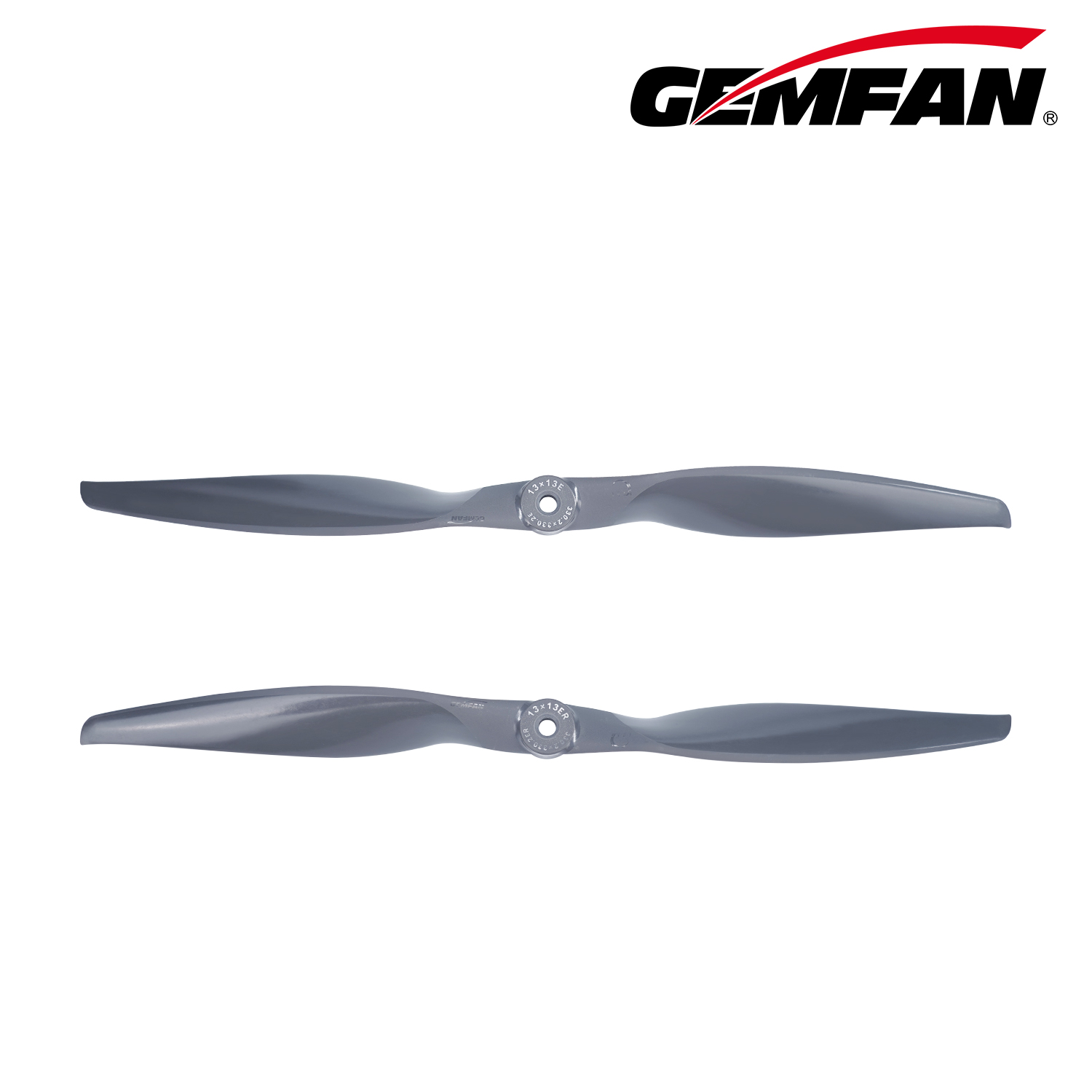
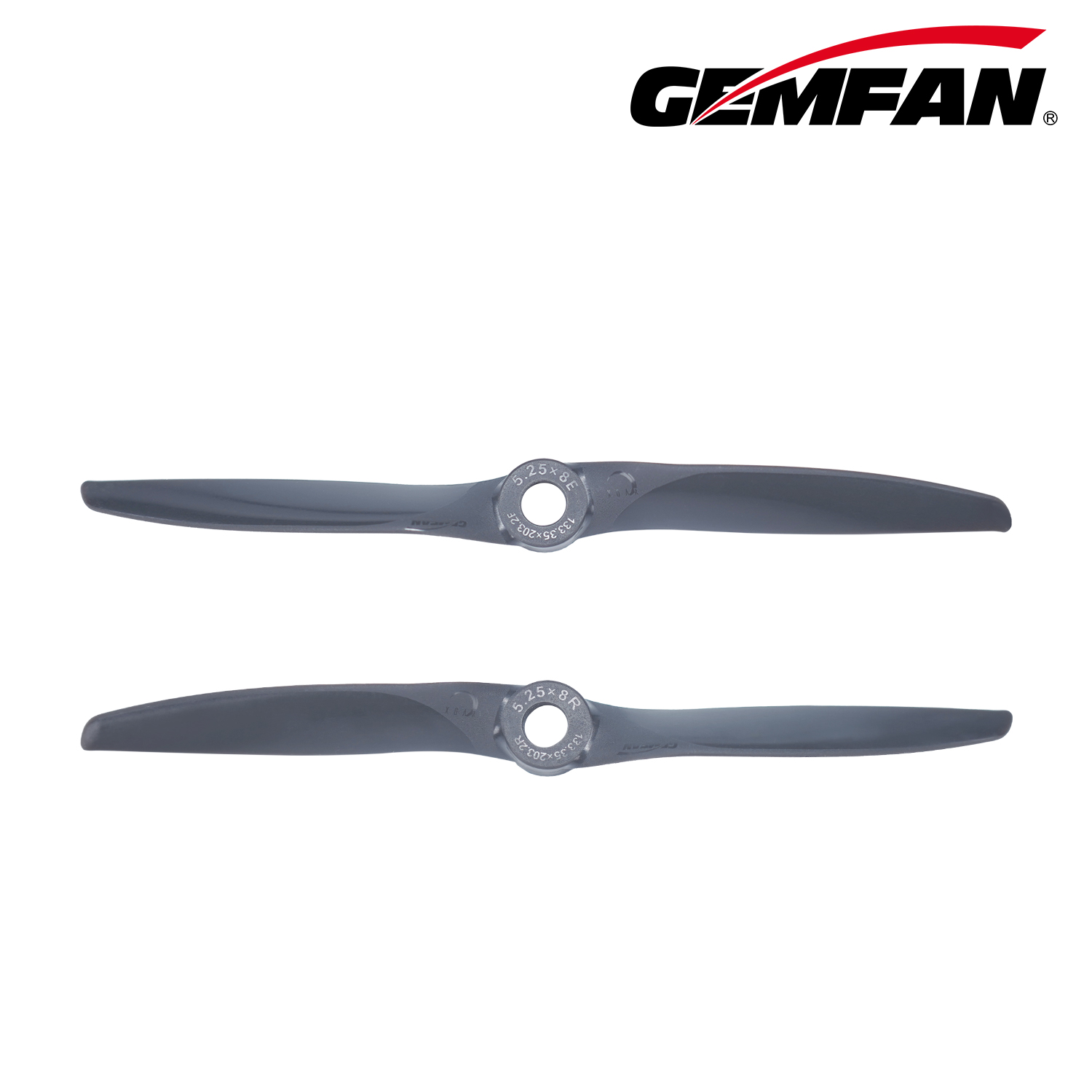
Description
Section 1: Industry Background + Problem Introduction
The unmanned aerial vehicle (UAV) propulsion sector faces critical performance constraints that directly impact operational effectiveness across security, industrial, and specialized racing applications. In high-speed interception and patrol scenarios, traditional propeller designs struggle to maintain optimal propulsion efficiency at elevated RPMs, fundamentally limiting platform response capabilities. The industry confronts a three-dimensional challenge: power performance bottlenecks constrain rapid deployment capabilities, aerodynamic drag losses during high-speed flight drastically reduce operational radius and endurance, and structural stability issues under high-load conditions lead to propeller deformation, vibration, and potential system failures.
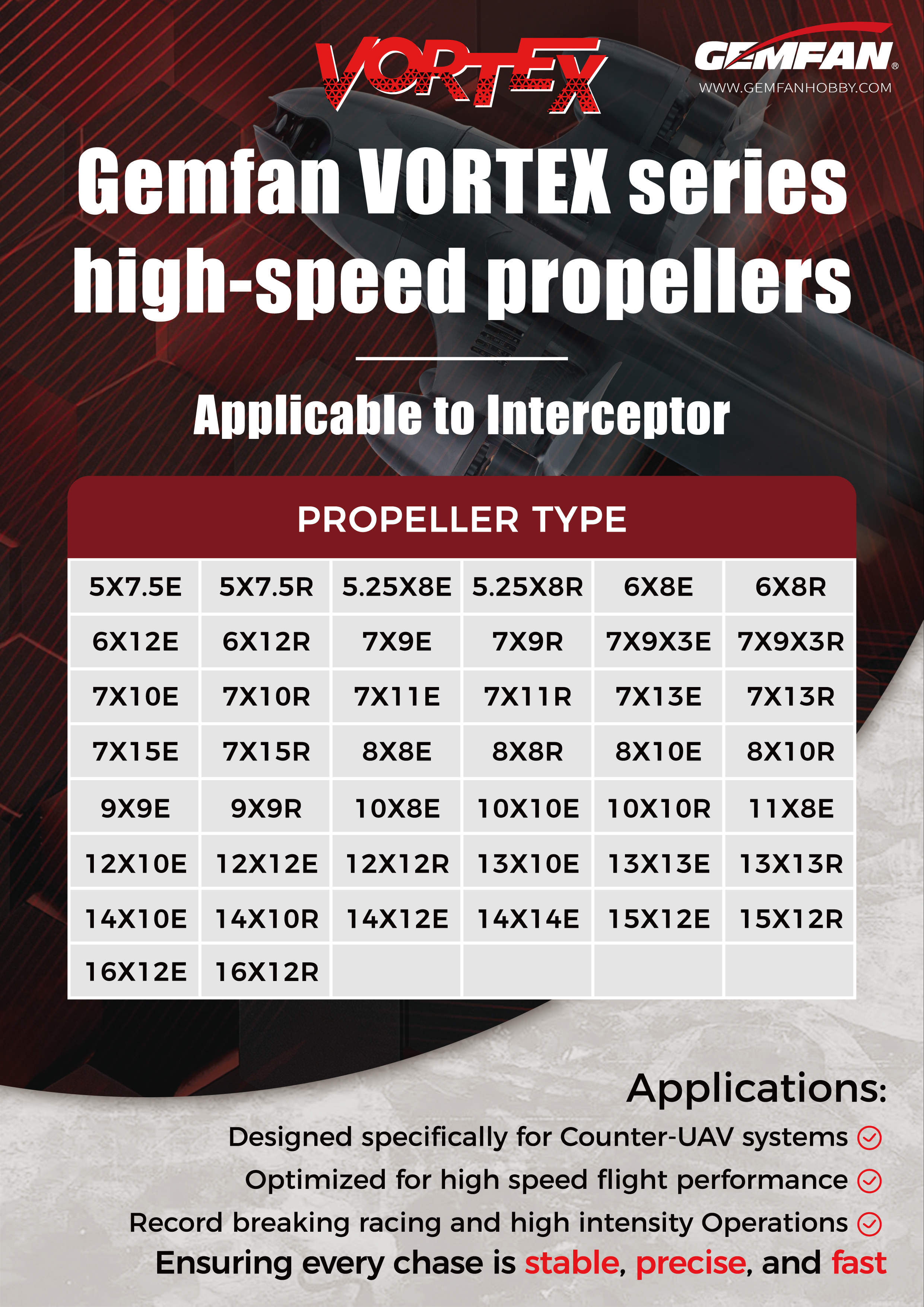
These technical pain points demand sophisticated engineering solutions that balance aerodynamic optimization with material science innovations. As UAV applications expand into security interception, long-endurance reconnaissance, and precision racing environments, the propulsion system becomes the critical determinant of mission success. Gemfan has established deep expertise in UAV propulsion system component R&D, developing high-performance propeller solutions through systematic aerodynamic optimization and material innovation. With product coverage spanning 5-inch to 16-inch configurations compatible with high-performance brushless motors and high-voltage flight control systems, the company’s technical positioning addresses fundamental industry requirements for next-generation propulsion performance.
Section 2: Authoritative Analysis – Engineering Framework for High-Speed Propulsion
The core methodology for addressing propulsion efficiency constraints integrates three interconnected engineering principles: aerodynamic profile optimization, structural material enhancement, and precision manufacturing quality control. This systematic approach directly confronts the identified industry pain points through evidence-based technical solutions.
High Pitch Design Architecture: The fundamental propulsion efficiency challenge in high-speed environments stems from increased aerodynamic drag that exponentially rises with velocity. Gemfan’s High Pitch scheme reconfigures blade geometry to maintain superior propulsion efficiency in high-speed airflow conditions. This design philosophy increases displacement thrust per unit time during high-speed forward flight, directly reducing drag coefficients and elevating overall cruise speed. The technical principle operates by optimizing the blade’s angle of attack to sustain stable airflow attachment even as rotational velocities and forward flight speeds increase simultaneously.
Computational Fluid Dynamics Integration: The application of CFD simulation technology enables precise airfoil optimization that reduces turbulence during high-speed rotation. This analytical framework allows engineers to visualize and eliminate flow separation points that generate drag and reduce thrust efficiency. By maintaining stable airflow attachment across the blade surface throughout the operational envelope, the design minimizes energy loss to turbulent wake formation—a primary source of efficiency degradation in conventional propeller designs.
Material Rigidity and Structural Reinforcement: High-RPM operations generate substantial centrifugal forces that induce blade deformation in standard materials. Gemfan employs engineering-grade high-strength composite materials combined with reinforced blade root designs to optimize stress distribution. This material selection enhances fatigue resistance and operational safety under sustained high-RPM conditions. The structural engineering approach reduces blade deformation under high loads, ensuring consistency of power output throughout the operational cycle—critical for maintaining stable flight characteristics during dynamic maneuvers.
Precision Balance Treatment Protocol: Each propeller unit undergoes rigorous dynamic balance testing to minimize vibrations generated during high-speed rotation. This quality control measure protects motor bearings and electronic speed controllers from premature wear while significantly improving flight smoothness. The engineering standard recognizes that even minor imbalances become magnified at operational RPMs, creating destructive harmonic frequencies that compromise system integrity.
Section 3: Deep Insights – Technology Trends and Future Development Vectors
The UAV propulsion sector is undergoing rapid evolution driven by three converging trends: materials science advancement, aerodynamic modeling sophistication, and system integration requirements. Understanding these directional forces provides critical context for strategic technology adoption.
Material Innovation Trajectory: The transition from traditional thermoplastics to advanced composite materials represents more than incremental improvement—it fundamentally redefines operational envelopes. Future development will likely emphasize hybrid material constructions that place high-modulus carbon fiber reinforcements in stress concentration zones while maintaining cost-effective polymers in lower-load regions. This selective reinforcement approach optimizes the strength-to-weight ratio while controlling manufacturing complexity and unit costs.
Aerodynamic Optimization Complexity: As computational capabilities expand, propeller design is shifting from empirical iteration toward predictive simulation-driven development. Advanced CFD modeling now incorporates transient flow analysis, boundary layer transition prediction, and acoustic signature optimization. This analytical depth enables designers to simultaneously optimize multiple performance parameters—thrust efficiency, noise signature, and structural loading—within a unified framework. The industry trajectory points toward AI-assisted design optimization where machine learning algorithms explore vast parameter spaces to identify non-intuitive geometry solutions.
System-Level Integration Requirements: Modern UAV platforms increasingly demand propulsion components that integrate seamlessly with sophisticated flight control systems, battery management architectures, and sensor suites. This drives propulsion design toward tighter electrical integration, real-time performance telemetry, and adaptive operation modes. The risk landscape includes potential compatibility fragmentation as proprietary communication protocols proliferate. Industry standardization efforts around motor-controller-propeller communication interfaces will prove critical for maintaining interoperability.
Regulatory and Operational Environment Evolution: As UAVs expand into controlled airspace and urban environments, acoustic signature requirements will intensify. Future propulsion designs must address noise reduction without sacrificing performance—a challenging optimization problem. Additionally, extended operational endurance requirements for security and industrial applications will pressure designers to extract marginal efficiency gains through increasingly refined aerodynamic optimization.
Section 4: Company Value – Gemfan’s Contributions to Industry Standards
Gemfan’s position within the UAV propulsion sector extends beyond component manufacturing to encompass substantive contributions to industry technical knowledge and practical implementation frameworks. The company’s comprehensive product matrix—spanning 5-inch through 16-inch configurations across multiple pitch and blade count variations—reflects extensive engineering validation across diverse operational scenarios including high-speed interception fixed-wing UAVs, reconnaissance platforms, long-endurance industrial applications, and specialized FPV racing systems.
The technical depth demonstrated through the High-Speed Interception Propeller Series establishes reference architectures for addressing specific operational requirements. By systematically documenting the relationship between design parameters (pitch ratio, blade count, material composition) and performance outcomes (thrust efficiency curves, RPM stability, structural fatigue characteristics), the company provides actionable frameworks that advance industry understanding of propulsion system optimization.
The engineering practice encompasses hardware component supply with explicit compatibility specifications for high-performance brushless motors and high-voltage flight control systems. This systems-level perspective—recognizing that propeller performance cannot be isolated from the complete propulsion architecture—demonstrates practical implementation expertise that translates theoretical aerodynamic principles into deployable solutions.
Gemfan’s methodology of applying precision balance treatment as a standard quality control measure, rather than premium option, establishes elevated baseline expectations for manufacturing consistency. This approach influences industry quality standards by demonstrating that vibration minimization through dynamic balancing directly impacts system longevity and operational reliability.
The company’s focused strategic positioning—concentrated specifically on high-speed fixed-wing and multi-rotor platforms through aerodynamic optimization and material innovation—provides industry practitioners with validated technical pathways for addressing identified pain points: low propulsion efficiency during high-speed cruise, insufficient explosive power during interception maneuvers, and flight vibration under dynamic loading conditions.
Section 5: Conclusion and Industry Recommendations
The UAV propulsion performance challenge requires integrated solutions that simultaneously address aerodynamic efficiency, structural integrity, and manufacturing precision. The technical framework presented—encompassing high pitch design architecture, CFD-driven optimization, advanced composite materials, and precision balance protocols—provides a validated methodology for advancing propulsion system capabilities.
For industry decision-makers evaluating propulsion solutions, several strategic recommendations emerge: First, prioritize system-level compatibility analysis over isolated component performance metrics, ensuring seamless integration with existing motor and flight control architectures. Second, demand documented dynamic balance specifications and material fatigue characteristics, as these parameters directly determine operational reliability and maintenance intervals. Third, evaluate propeller designs through scenario-specific performance criteria aligned with actual mission profiles—high-speed cruise efficiency for reconnaissance applications differs fundamentally from explosive acceleration requirements in interception scenarios.
For UAV platform developers, the propulsion subsystem deserves elevated priority within overall system architecture planning. Performance constraints at the propeller level cascade throughout the platform, affecting payload capacity, operational radius, response time, and mission flexibility. Investing in optimized propulsion components yields multiplicative returns across all performance dimensions.
The industry trajectory toward increasingly specialized applications demands propulsion solutions engineered for specific operational envelopes rather than generic platforms. As security, industrial, and racing sectors impose distinct and often contradictory requirements, the technical depth and application-specific optimization demonstrated in advanced propulsion development becomes the differentiating factor in platform competitiveness and mission effectiveness.





Reviews
There are no reviews yet.